
How to Use a Familiar Neighborhood Walk as a Self-Reflection Prompt
A practical guide to turning your everyday loop around the block into a structured self-reflection exercise, using observation, memory and the quiet signals of place.
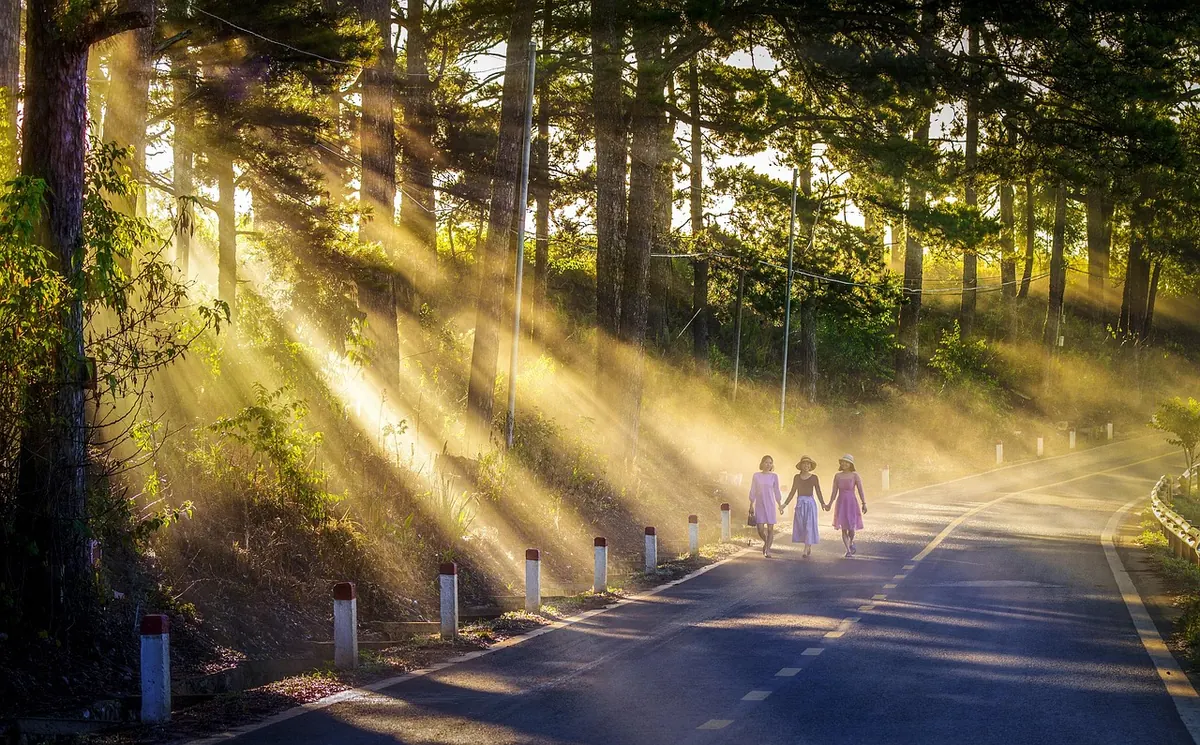
The street you walk most often is probably the least examined place in your life. You know which paving slab tilts when it rains, which crossing buys you a few extra seconds, which dog starts barking behind which gate. That is exactly why you have stopped looking at it.
Familiarity is usually treated as the enemy of attention. On a walk like this one, it is the opposite. Because nothing new is arriving to entertain you, nothing stands between you and what you are carrying. The same shopfronts, the same corner, the same twenty minutes — met with a different mood each time.
What follows is a way of walking that loop on purpose. No app, no special gear, no grand commitment. Roughly forty minutes, one question, and a route you already know by heart.
Why the same route beats a new one
A new street gives you material. A familiar street gives you contrast.
Walk somewhere unfamiliar and most of your attention goes into reading the place: where to cross, what the signs say, whether you are heading the right way. Little is left over for reflection. On a known route, navigation is automatic, which frees the part of your mind that notices, compares and remembers.
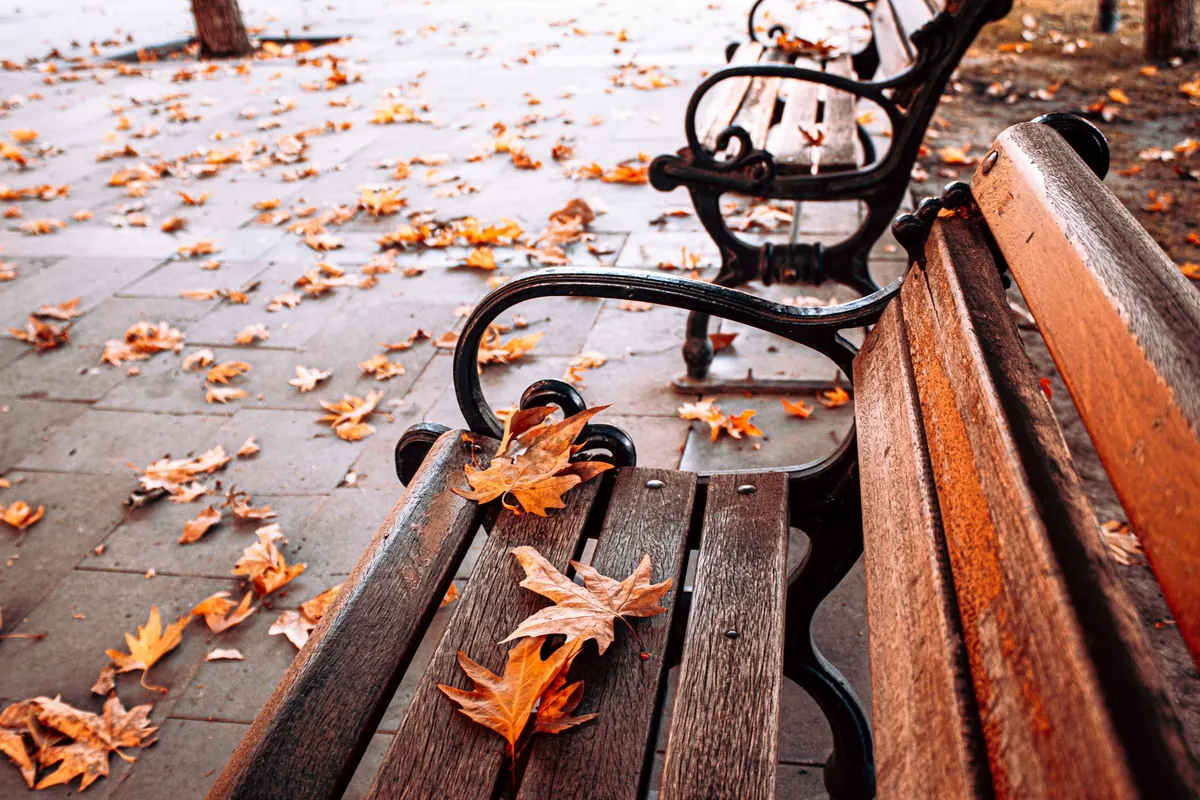
The fixed route also works as a control. The bakery is still there. The bench is still missing a slat. The tree by the school drops its leaves in the same week it always does. With the setting held steady, whatever shifts in your responses becomes easier to see: this week the junction irritated you, last week it didn't; this week you looked up at the windows, last week you watched your feet.
You are not walking to find something new. You are walking to notice what has been there the whole time, outside and inside.
Choose one question before you leave
Self-reflection goes wrong when it turns into a general audit of your life. Narrow it. Pick a single question before you put your shoes on and let the walk answer it slowly.
- Attention: What have I stopped seeing on this route?
- Memory: What was here before, and who was I when it was?
- Change: What is different from a year ago that I never registered happening?
- Pace: Which part of this walk do I always speed up?
- Company: Who have I walked this way with, and who have I not thought about in a while?
One question is enough. Two is generous. A list of eight becomes a questionnaire, and you will spend the walk managing the questionnaire instead of looking around.
Keep the phone in your pocket unless you are using it for photographs. A picture of the same corner taken once a month is a quiet, useful record. A phone in your hand is a small wall between you and the street.
The first stretch: look like a visitor
The opening ten minutes belong to the outside world. Walk it as though you had arrived from another city with one hour to describe this place to someone who has never been here.
Notice what a visitor would notice first, then push past it. Everyone sees the corner shop, the church, the row of parked cars. What else is there? The number of doorbells at number 14. The hand-painted sign above the launderette, touched up unevenly. The way the pavement changes from slabs to tarmac where the old wall ends.
Three sentences for one object
Pick a single fixed thing along the route — a bench, a lamppost, a window box, a stone bollard — and give it three sentences in your head:
- What it is, plainly.
- What it is for, or who uses it.
- What it has probably seen.
That third sentence is where the exercise starts working. It asks you to imagine time, and once you are imagining time in a place, memory has an opening.
The middle stretch: let memory do the work
Somewhere in the middle of the walk, the mind loosens. This is not mystical; it is simply what walking does. The body is occupied with something easy, and the thoughts that have been waiting at the edge step forward.
The route helps. Streets are filing systems. A doorway can return a conversation from years ago. A certain stretch of wall can produce a summer you had almost stopped remembering. Do not chase any of it. Let it arrive, look at it for a few seconds, and keep walking.
A familiar street is not a place you have already seen. It is a place you keep seeing from slightly different versions of yourself.
Resist the urge to make sense of things while you are moving. Analysis is for afterwards. On the walk, just collect: images, names, feelings, the odd phrase you overheard at the bus stop.
Read your own reactions as data
Halfway through, move your attention from the street to your body's responses to it.
Where do your shoulders rise? Where do you check your phone out of habit? Which corner makes you walk faster, and which one lets you slow down? Notice whether you cross the road at the same place every time, and ask what you are avoiding there. Notice which windows you look into and which hedges you look away from.
None of this is a revelation on its own. Together it forms a small map of preference, avoidance and habit — a map you drew by accident, on a route you take for granted.
For the flat days
Some days nothing lands. The street looks like the street, your head is full of tomorrow's tasks, and the question you picked feels faintly silly.
That flatness is information too. Ask what is occupying you — precisely, in one sentence — and whether the walk is the problem or the week. If the answer is the week, cut the walk short. Reflection is not a task to be completed; it is a habit to keep warm.
After the walk: three lines and one small change
Before you unlock the door, stand still for a minute and write three lines — in your phone's notes, on the back of a receipt, in a notebook kept by the door:
- One thing you saw that you had stopped seeing.
- One memory the route produced.
- One thing you noticed about how you walk it.
Three lines take ninety seconds and are far more likely to happen than a page of prose. Repeat the walk weekly and you will end up with something that reads like a slow calendar of attention.
Then choose one small change, small enough that you will actually do it:
- Walk the loop in the opposite direction next time.
- Take the side of the street you never take.
- Stop for two minutes at the bench you always pass.
- Leave the headphones at home for the first half.
The point is not to fix the neighbourhood or yourself. The point is to keep the route alive as a place where you occasionally check in — a twenty-minute instrument for noticing what you would otherwise walk past, inside and out. If something heavy keeps surfacing as you walk, a loss or a worry that will not settle, it may be worth talking it over with someone you trust, or with a professional.
Photo: bytran2710 / Pixabay